[Télécharger] Physical Activity and the Aging Brain: Effects of Exercise on Neurological Function de Ronald Ross Watson Livres En Ligne
Télécharger Physical Activity and the Aging Brain: Effects of Exercise on Neurological Function de Ronald Ross Watson Pdf Ebook
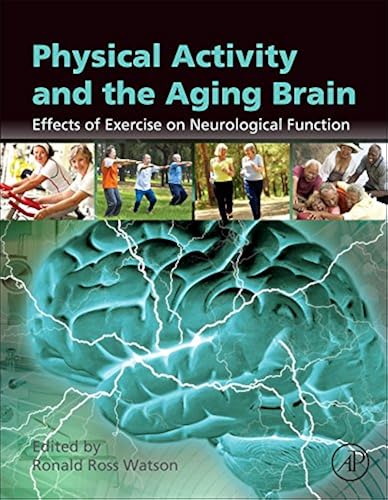
Télécharger "Physical Activity and the Aging Brain: Effects of Exercise on Neurological Function" de Ronald Ross Watson Livres En Ligne
Auteur : Ronald Ross Watson
Catégorie : Livres anglais et étrangers,Health, Mind & Body,Personal Health
Broché : * pages
Éditeur : *
Langue : Français, Anglais
Physical Activity and the Aging Brain: Effects of Exercise on Neurological Function is a complete guide to the manifold effects of exercise and physical activity on the aging brain. Cognitive decline and motor impairment, onset of diseases and disorders, and even changes in family structure and social settings that occur as we age can all impact activity levels, yet continued physical activity is crucial for successful neurological functioning. This book examines the role that exercise and physical activity play in halting or modulating the deleterious effects of these numerous aging concerns by first examining the current state of research into how exercise manifests physical changes in the brain. It then discuss how physical activity combines with other lifestyle factors to benefit the aging brain, including nutrition, computerized brain training, and social engagement. Most significantly, it also covers how physical activity can serve as therapy to help alleviate the symptoms of various neurological diseases impacting aging populations, with particular emphasis on Alzheimer’s disease and age-related cognitive decline. The book provides broad coverage of the effects of exercise and physical activity on the aging brain, its therapeutic effects, and the many factors that influence the aging process. Presents research scientists with a complete understanding of the role of exercise in healthy brain agingConsiders the roles of nutrition, the mind-body connection, and other lifestyle factorsPresents a major resource for exercise and physical activity in the neurological health of older adultsProvides a synopsis of key ideas associated with the many aspects of physical activity, along with lifestyle factors that can modify neurological diseases and age-related neurological decline
Télécharger Physical Activity and the Aging Brain: Effects of Exercise on Neurological Function de Ronald Ross Watson PDF Ebook En Ligne
How Exercise Affects Your Brain - Scientific American ~ How Exercise Affects Your Brain. Scientists are continuing to showing that everything from the “runner’s high” to the “yogi’s tranquility” can have profound effects on your brain
How the Aging Brain Affects Thinking / National Institute ~ These changes in the brain can affect mental function, even in healthy older people. For example, some older adults may find that they don’t do as well as younger individuals on complex memory or learning tests. However, if given enough time to learn a new task, they usually perform just as well. Needing that extra time is normal as we age. There is growing evidence that the brain maintains .
How Exercise Reprograms the Brain / The Scientist Magazine® ~ Exercise’s Effects Physical activity increases the volume of the brain’s hippocampus and improves learning and memory in mice and humans. Mouse studies have linked these effects to the growth and maturation of new neurons. Now, researchers are beginning to unravel the molecular mechanisms that connect exercise to these cognitive benefits.
A lifetime of regular exercise slows down aging, study ~ A group of older people who have exercised all of their lives, were compared to a group of similarly aged adults and younger adults who do not exercise regularly. The results showed that those who .
How Exercise May Bolster the Brain - The New York Times ~ Exercise may help change exercisers’ brains in surprising ways, according to a new study of physical activity and brain health. The study, which included both mice and people, found that .
Wendy Suzuki: The brain-changing benefits of exercise ~ What's the most transformative thing that you can do for your brain today? Exercise! says neuroscientist Wendy Suzuki. Get inspired to go to the gym as Suzuki discusses the science of how working out boosts your mood and memory -- and protects your brain against neurodegenerative diseases like Alzheimer's.
Neurobiology of Exercise - PubMed ~ Voluntary physical activity and exercise training can favorably influence brain plasticity by facilitating neurogenerative, neuroadaptive, and neuroprotective processes. At least some of the processes are mediated by neurotrophic factors. Motor skill training and regular exercise enhance executive functions of cognition and some types of learning, including motor learning in the spinal cord .
Exercise and Its Effects on the Central Nervous System ~ During exercise, sensory feedback from the periphery results in alterations in the CNS that can have profound effects on subsequent motor activity and psychologic function. A comprehensive review of all the neurobiologic changes induced by exercise and their clinical relevance is beyond the scope of this article. Alternatively, this article focuses on how exercise-induced changes in the CNS .
Wendy Suzuki: The brain-changing benefits of exercise ~ And these effects are long-lasting because exercise actually changes the brain's anatomy, physiology and function. Let's start with my favorite brain area, the hippocampus. The hippocampus — or exercise actually produces brand new brain cells, new brain cells in the hippocampus, that actually increase its volume, as well as improve your long-term memory, OK? And that including in you and me.
Understanding the Dynamics of the Aging Process / National ~ Aging is associated with changes in dynamic biological, physiological, environmental, psychological, behavioral, and social processes. Some age-related changes are benign, such as graying hair. Others result in declines in function of the senses and activities of daily life and increased .
Cognitive plasticity in older adults: effects of cognitive ~ Cognitive training, physical activity, and exercise have often been reported to improve cognitive performance in older adults. This paper reviews some seminal and recent studies using these approaches to improve cognition and physical functioning in healthy older adults and in patients suffering from non-neurological chronic medical conditions.
Physical activity, common brain pathologies, and cognition ~ Objective To examine the associations of physical activity, Alzheimer disease (AD), and other brain pathologies and cognition in older adults. Methods We studied 454 brain autopsies from decedents in a clinical-pathologic cohort study. Nineteen cognitive tests were summarized in a global cognitive score. Total daily physical activity summarized continuous multiday recordings of activity during .
This Is Your Brain on Exercise - Experience Life ~ All the processes that physical activity induces in the brain add up to one sum: Exercise keeps our brains young. “Everything we’ve learned continues to confirm that exercise helps prevent cognitive decline as we age,” Ratey says. “All the antiaging protocols include exercise in a big way — it’s often the No. 1 lifestyle change to help people prevent aging and cognitive decline.”
What happens to the brain as we age? - Medical News Today ~ The brain begins to decline with age. Here, we examine what happens to the brain over time and whether or not it is possible to slow the rate of decline.
Working out boosts brain health ~ A growing body of research suggests physical fitness is one way to boost brain health — and that a regular exercise routine can decrease the effects of stress on the body, improve mental health and mood, and even enhance memory and cognition. Exercise fuels the brain's stress buffers. Exposure to long-term stress can be toxic to multiple systems in the body, even leading to medical concerns .
Why Is Physical Activity So Good for Your Brain ~ Conclusion: Physical Activity Improves Brain Health and Cognitive Function at Any Age. These results come at a critical time. In a digital age, our society has become increasingly unfit and sedentary.
Cognitive and physical activity and dementia / Neurology ~ Objective To investigate whether cognitive and physical activities in midlife are associated with reduced risk of dementia and dementia subtypes in women followed for 44 years. Methods A population-based sample of 800 women aged 38–54 years (mean age 47 years) was followed from 1968 to 2012. Cognitive (artistic, intellectual, manual, religious, and club) and physical activity were assessed .
The brain-changing benefits of exercise / Wendy Suzuki ~ What's the most transformative thing that you can do for your brain today? Exercise! says neuroscientist Wendy Suzuki. Get inspired to go to the gym as Suzuk.
Here’s How Much Exercise You Need to Keep Your Brain ~ That may further support the idea that for brain health, the overall and cumulative effect of physical activity is what’s important. This suggests that exercise affects the brain in a variety of .
How physical exercise makes your brain work better ~ Love it or hate it, bouts of physical activity can have potent effects on your mood. The runner’s high – that feeling of elation that follows intense exercise – is real. Even mice get it. It .
Aging: What to expect - Mayo Clinic ~ Include physical activity in your daily routine. Physical activity increases blood flow to your whole body, including your brain. Studies suggest regular exercise is associated with better brain function and reduces stress and depression — factors that affect memory. Eat a healthy diet. A heart-healthy diet may benefit your brain. Focus on .
Hearing loss may affect brain health - Harvard Health Blog ~ The coordinated functions of the ear and the brain place a new priority on addressing hearing loss . Do not ignore symptoms of hearing loss, because you do not want to miss an opportunity to address hearing deficits. In addition, do not hesitate to ask your provider specific details about your hearing results. Often patients can be afraid to ask for details about their results because they do .
A neuroscientist says there's a powerful benefit to ~ The growing evidence that exercise improves these key brain functions should encourage schools around the world to increase—not decrease—students’ physical activity. Not only would this help .
Can exercise help conquer addiction? - Harvard Health Blog ~ Organizations promoting physical activity for people in recovery continue to grow. The Boston Bulldogs Running Club, which dates back to 2008, has broadened its mission to support people with addiction and their friends and families. This nonprofit organization also promotes wellness to children and teens to help prevent substance use disorders. The Phoenix, another nonprofit organization .
Comments
Post a Comment